
A good Commander opening hand has mana, direction and a turn-two plan
For most casual and mid-power Commander decks, keep hands with 2 to 4 lands, access to your colors, and either early ramp, early interaction or a card-selection play. Mulligan hands that require two perfect draws before they function, even if the spells are powerful.
Opening hand targets
The three-question opening hand test
The best Commander opening hand guide is not a fixed rule like “always keep three lands.” Commander decks vary too much for that. A low-curve deck with many one-mana plays can keep a different seven than a five-color battlecruiser deck. Instead, judge every opener with three questions: can I cast my early spells, does this hand advance my deck’s plan, and what happens if I miss my first draw step?
That last question is the one many players skip. A hand with two lands and five expensive spells can look exciting because every card is strong, but if the hand does nothing until turn four it often falls behind three opponents at once. A hand with three lands, a two-mana ramp spell and one relevant early play is usually better than a hand with flashier cards but no sequence.
A useful keep should have a believable first three turns. You do not need to know every detail, but you should be able to say something like: turn one land, turn two ramp, turn three commander or card draw. If your plan is only “draw land, then draw another land, then maybe play,” you are keeping a wish, not a hand.
How many lands should you keep?
Most Commander decks are built so that two-land and three-land hands are the hands you evaluate most often. Three lands is the cleanest default keep when the colors work. Two lands can be excellent if the hand has ramp, card selection or a low curve. Four lands is fine when the spells matter and your commander uses mana well. One-land and five-land hands require more scrutiny.
A two-land hand is not automatically risky. It becomes risky when both lands enter tapped, the hand has no turn-two play, or your important spells require colors you do not have. A two-land hand with a two-mana ramp spell and both primary colors is often stronger than a four-land hand with no action. The difference is not the number of lands alone. The difference is whether the hand has a functional sequence.
A four-land hand is often underrated by players who fear flooding. In Commander, especially at casual tables, a four-land hand with ramp and a commander that costs four or five can be a stable keep. It lets you hit land drops, play through a removal spell and avoid spending your first turns doing nothing. The danger is keeping four lands with three expensive cards that do not interact, draw cards or affect the board.
Opening land count keep guide
| Opening lands | Default judgment | Keep when | Mulligan when |
|---|---|---|---|
| 0 lands | Mulligan | Almost never in normal Commander | Always unless a very unusual deck is built to function without lands |
| 1 land | Usually mulligan | You have multiple one-mana setup plays and a very low curve | You need to draw land immediately or cannot cast your spells |
| 2 lands | Contextual keep | Colors work and you have ramp, selection or cheap action | Both lands are awkward and the hand has no turn-two play |
| 3 lands | Best default keep | You can cast early spells and have a plan through turn three | Colors fail or all spells are too expensive |
| 4 lands | Often keepable | You have action, ramp payoff or a mana-hungry commander | The nonlands are slow and do not stabilize |
| 5 lands | Usually mulligan | The two spells are excellent early plays or card draw | The hand has no pressure, no draw and no meaningful decision |
| 6 to 7 lands | Mulligan | Nearly never | You are relying on topdecks from the start |
Color access matters more than total mana
In Commander, a hand with enough lands can still be a bad keep if it cannot cast the spells that matter. This is especially common in three-color and five-color decks. A three-land hand that only makes one color may look safe, but if your ramp, interaction and commander need other colors, the hand is functionally short on mana.
Start by identifying your deck’s early colors. These are not always the same as your commander’s full color identity. If your ramp is mostly green, your opening hand needs green early. If your interaction is mostly white or blue, you need access to those colors before the table’s first threatening play. If your deck’s two-mana plays are concentrated in one color, count that color as your real turn-two requirement.
This is where deck construction and mulligan decisions connect. If you frequently see hands with lands but no castable spells, the issue may not be your mulligan discipline. It may be your mana base. Use the Mana Base Calculator to compare your colored source counts against the cards you expect to cast early.
Mana and ramp examples used in opening-hand decisions

Command Tower
Color fixing land
A strong opener in multicolor decks because it provides any commander color immediately.

Sol Ring
Explosive artifact ramp
Turns many two-land hands into fast keeps, but it does not fix colors by itself.

Arcane Signet
Color-fixing ramp
One of the cleanest turn-two ramp plays because it both accelerates and fixes colors.

Nature's Lore
Land-based ramp
Excellent in green decks because it can fix colors if your deck includes the right Forest duals.

Farseek
Color-fixing ramp
Rewards a mana base with typed dual lands and can turn a two-land hand into all needed colors.
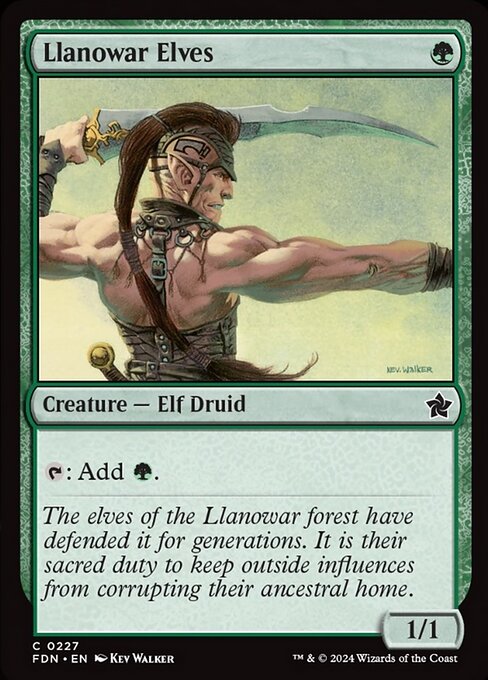
Llanowar Elves
One-mana ramp creature
Improves one- and two-land hands in green decks, but is weaker into early creature removal.

Cultivate
Three-mana ramp and fixing
A stable midgame setup card, but it does not rescue a hand that cannot reach three mana.

Swords to Plowshares
Cheap interaction
Makes slower hands more keepable because it answers an early creature for one mana.
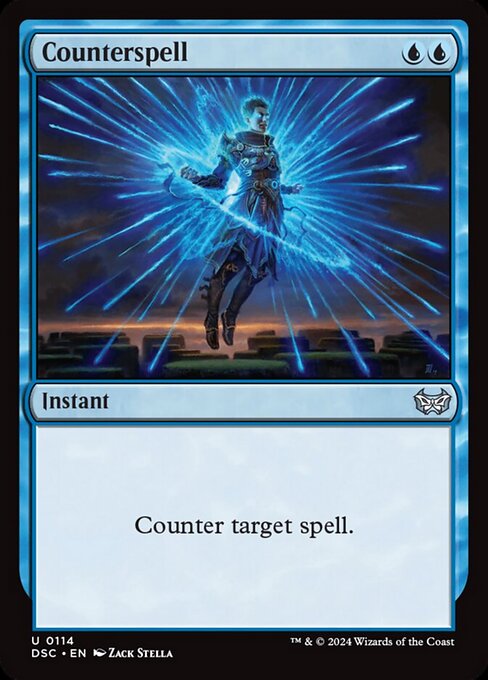
Counterspell
Early stack interaction
Powerful in blue decks, but a keep depending on it needs double blue on time.
Ramp changes the value of a hand, but not always the way players think
Ramp is one of the biggest reasons to keep a Commander opening hand. A hand with two lands and an early ramp piece can be functionally equivalent to a three- or four-land hand, especially if the ramp fixes colors. But not all ramp solves the same problem. Some ramp produces extra mana without fixing colors. Some fixes colors but comes down too late to save a weak opener.
Sol Ring is the clearest example. It can create explosive starts and make expensive commanders arrive early, but it does not help you cast colored spells. A hand with two off-color lands and Sol Ring may still fail if every relevant spell needs colored mana. Arcane Signet is less explosive, but it fixes colors, which often makes it a better stabilizing keep in multicolor decks.
Green land ramp has a similar split. Nature's Lore and Farseek are strongest when your mana base supports them with lands they can find profitably. Cultivate is reliable in a general sense, but as a three-mana play it should not be counted as your early rescue plan unless your opening lands already cast it. If your hand cannot reach three mana, a three-mana ramp spell is just another stranded card.
Early plays are not only ramp
Many players over-focus on ramp when deciding whether to keep. Ramp is excellent, but an early play can also be interaction, card selection, a cheap engine piece or a defensive creature. What matters is that the hand uses mana in the first two turns and prevents you from falling behind three opponents who are also developing.
Cheap interaction is especially important when your hand is slower. Swords to Plowshares can justify a keep that otherwise waits until turn three, because it gives you a way to answer an early commander or snowball creature. Counterspell can do the same in blue decks, but only if your mana reliably produces double blue by turn two. If your hand has Counterspell and no path to double blue, it should not be treated as functional interaction.
Your commander also changes what counts as an early play. If your commander costs two or three and is central to the deck, a hand that casts it on curve may already have a plan. If your commander costs six, your opening hand needs more independent development. Do not keep a slow hand simply because it contains your best late-game cards. In Commander, the command zone already gives you a guaranteed card to build toward.
What your first three turns should accomplish
| Deck style | Turn-one priority | Turn-two priority | Turn-three priority |
|---|---|---|---|
| Low-curve creature deck | Untapped colored source or one-drop | Develop board or ramp | Commander, engine or protection |
| Green midrange deck | Green source | Two-mana ramp | Commander, draw or second ramp spell |
| Control deck | Color fixing | Hold or cast cheap interaction | Card draw, mana rock or protected setup |
| Artifact ramp deck | Land plus fast mana when available | Mana rock or setup piece | Commander or value engine |
| High-mana battlecruiser deck | Tapped land is acceptable | Ramp or fixing | Ramp again or defensive play |
When to mulligan a hand that looks playable
The hardest mulligans are hands that technically function but do not do enough. In multiplayer Commander, a hand that merely makes land drops and passes can still be too slow. You need to ask whether the hand participates in the game before turn four. If the answer is no, the hand should usually go back unless your table is extremely slow.
Mulligan hands with mismatched halves. A hand of lands and late-game payoffs may have mana but no bridge. A hand of ramp and expensive spells may be missing colored sources. A hand of interaction and no development may answer one threat while losing to the other two players. The best openers have a mix: mana, action and a path to your deck’s main plan.
The Commander mulligan is generous enough that you should use it. You get a fresh seven before putting cards on the bottom according to the mulligan rules, so your first mulligan is often worth taking when your opening seven is slow, color-locked or dependent on perfect draws. If you want to see how often your deck produces keepable land and ramp combinations, test it with the Mulligan Calculator.
Build your deck so your keeps are easier
Opening hand decisions get easier when your deck is structurally sound. A deck with 29 lands, seven ramp spells and a curve full of five-drops will create many awkward hands. A deck with 36 lands, 11 ramp pieces, enough early interaction and a realistic curve will naturally produce more hands that pass the three-question test.
As a practical baseline, many casual Commander decks should start around 35 to 38 lands, 10 to 14 ramp pieces, and 8 to 12 pieces of interaction. Those numbers are not universal. Low-curve decks can shave mana. Expensive commanders and mana-hungry strategies often need more. The point is that your opening hand problems should lead to deck edits, not just different mulligan habits.
Track the reason you mulligan for a few games. If you often lack lands, adjust land count. If you have lands but not colors, adjust sources. If you have mana but no early action, lower the curve or add more two-mana plays. The Commander Deck Building Checklist is useful here because it separates mana, ramp, draw, interaction and win conditions instead of treating the deck as one pile.
Audit the deck behind the opening hand
If your openers are consistently awkward, check your land count, ramp density and curve instead of blaming variance every game.
Example keep or mulligan decisions
Consider a three-color midrange deck with three lands, one of which is Command Tower, plus Arcane Signet and two castable spells. This is a strong keep because it has color access, ramp and a turn-two play. Even if the next draw is not a land, the hand still develops.
Now consider two lands, Sol Ring, three five-mana spells and one six-mana spell. Some players keep because Sol Ring is powerful, but the hand may still be poor if the spells require colored mana and the lands do not provide it. Fast colorless mana is not the same as a complete opening plan.
A green deck with two lands, Nature's Lore, Farseek, one interaction spell and two midgame cards is usually a keep if one land casts the ramp. The hand has a clear path to four or five mana and likely fixes colors. By contrast, two lands, Cultivate and four expensive cards is much shakier because the hand must naturally draw the third land before doing anything meaningful.
A control deck with three lands, Swords to Plowshares, Counterspell and two card-advantage spells is strong only if the colors line up. If it cannot make white early for Swords to Plowshares or double blue for Counterspell, the hand is less interactive than it appears. Always evaluate the castability of the role, not just the presence of the role.
A final pre-game checklist
- Do I have 2 to 4 lands, or a very specific reason to keep outside that range?
- Can I produce the colors needed for my first two plays?
- Do I have a turn-two play, or a strong reason the hand can wait?
- If I miss my first draw step, does this hand still function?
- Does this hand advance my commander’s plan, or is it just a pile of good cards?
- Am I keeping because the hand is actually good, or because I do not want to mulligan?
The best Commander players are not keeping perfect hands every game. They are avoiding hands that need too much help. A good opener gives you mana, a first decision and a path into your deck’s plan. If your hand cannot offer that, take the mulligan and give your deck another chance to do what it was built to do.
FAQ
How many lands should I keep in a Commander opening hand?
Most Commander decks are happiest keeping 2 to 4 lands. Three lands is the safest default. Two lands are keepable with early ramp, card selection or a low curve. Four lands are fine when the nonland cards provide action.
Should I keep a one-land hand in Commander?
Usually no. A one-land hand needs multiple cheap plays, strong card selection or a very unusual deck structure to be worth the risk. In most Commander decks, a one-land hand loses too many games to a missed draw step.
Is a hand with Sol Ring always a keep?
No. Sol Ring is powerful, but it does not fix colored mana. If the hand cannot cast its colored spells or has no meaningful follow-up, it may still be a mulligan.
How much ramp should my Commander deck play for better opening hands?
Many casual Commander decks start around 10 to 14 ramp pieces. Lower-curve decks may need less, while expensive commanders and big-mana strategies often need more. The key is having ramp you can cast early.
What is the most common opening hand mistake in Commander?
The most common mistake is keeping a hand because the cards are powerful, even though the hand has no early sequence. A keep should have mana, castable colors and something relevant to do by turn two or three.