
Start with 10 to 12 ramp pieces, then adjust
Most Commander decks should start with about 10 to 12 ramp pieces. Low-curve decks can often play 8 to 10, expensive commanders and battlecruiser decks usually want 12 to 15, and big-mana strategies may need even more. The right number depends on your commander's mana value, your average mana value, your colors, your land count, and whether your ramp is cheap enough to matter before turn four.
- Low-curve decks: 8 to 10 ramp pieces
- Normal casual decks: 10 to 12 ramp pieces
- Five-mana commanders: 11 to 13 ramp pieces
- Six-plus-mana commanders: 12 to 15 ramp pieces
- Battlecruiser and big-mana decks: 14 to 18 ramp pieces
- Green land-ramp decks: 10 to 14 ramp pieces
- Artifact-ramp decks without green: 10 to 13 ramp pieces
- cEDH and other very high-power decks: build around fast mana separately, the casual ranges above do not really apply
Ramp count is not one fixed number for every deck. A two-mana commander with a low curve and cheap interaction does not need the same ramp package as a seven-mana commander trying to cast huge spells on time. Ramp also changes by color. Green decks can lean on land ramp, non-green decks usually lean on rocks and artifacts, and some archetypes get extra mileage out of treasure, cost reducers, or creature-based mana.
Deckcipher ramp count formula
| Adjustment | When it applies |
|---|---|
| Start at 10 | Base ramp count for a normal casual Commander deck |
| +1 to +2 | Commander costs 5 or more mana |
| +2 to +4 | Commander costs 6 or more mana |
| +1 to +3 | Average mana value is on the high side |
| +2 to +4 | Deck regularly wants to cast 7-plus mana spells |
| -1 to -2 | Curve sits under 2.8 average mana value |
| -0 to -1 | Deck already has strong cheap card draw and selection |
| Fix lands first | Deck misses early land drops often, do not just add ramp |
| Favor 2-mana land ramp | Deck is green and can lean on land-based ramp |
| Favor 2-mana rocks | Deck is non-green and needs rocks plus reliable fixing |
| Count with care | Cost reducers only count if they discount many cards in the deck |
| Split by type | Treasure only counts fully if it is a repeatable source, not a one-time burst |
What counts as ramp in Commander?
Ramp is any card that helps you produce more mana than a normal one-land-per-turn pace. That covers a wider range of cards than most players think, and not every mana-related card should be counted the same way when you are building your ramp package.
- Mana rocks, like Arcane Signet or Sol Ring
- Land ramp spells, like Rampant Growth or Nature's Lore
- Mana dorks, like Llanowar Elves
- Treasure makers, like Prosperous Innkeeper
- Rituals that add temporary mana for one turn
- Cost reducers that make your spells cheaper to cast
- Mana doublers that scale up your existing sources
- Lands that tap for more than one mana
- Commander-specific ramp built into your deck's engine
Some of these are cleaner ramp than others. Sol Ring and Arcane Signet are ramp in the purest sense, they turn one mana into two on the turn you play them and keep doing it every turn after. Rampant Growth and Nature's Lore are ramp too, they just ask for a land in hand and put you a turn ahead on lands instead of adding a rock to the board. Llanowar Elves does the same job as a creature, with the tradeoff that it can die to removal or a board wipe.
Other cards are easy to miscount. A card like Big Score makes a one-time burst of Treasure, which is useful but not the same as a permanent piece of ramp you can plan around turn after turn. Goblin Electromancer only functions as ramp if your deck actually casts enough instants and sorceries for the discount to matter. Land Tax finds you extra lands, but it only ramps you ahead if you are also missing land drops, so pairing it with real land ramp matters more than running it alone. Smothering Tithe is a real mana engine, but it scales with how many spells your opponents cast, so it is stronger at bigger, more active tables and weaker in a quiet two-player game. Mana doublers like Zendikar Resurgence are powerful, but they usually come down in the mid game, so they should support your ramp plan instead of replacing your early plays.
The default Commander ramp count
A normal casual Commander deck with a four-mana commander, a reasonable curve, and a mix of two to five mana spells should usually start around 37 lands and 10 to 12 ramp pieces. That puts your total mana sources, lands plus ramp, somewhere around 46 to 50. From there, adjust based on how often the deck misses land drops, how early it wants its commander on the battlefield, and how expensive its top end really is.
Treat this as a starting point, not a rule that applies to every deck. Curve, colors, card draw, and your commander's cost all push the number up or down. A deck full of cheap interaction and card selection can often run a little less ramp than the table below suggests, while a deck that wants to jump from four mana to seven in one turn usually needs more.
Ramp and land ranges by deck profile
| Deck profile | Land range | Ramp range | Total mana sources | Notes |
|---|---|---|---|---|
| Low-curve aggressive deck | 34-36 | 8-10 | 42-46 | Needs cheap spells and enough draw to keep going |
| Normal casual deck | 36-38 | 10-12 | 46-50 | The best starting point for most new lists |
| Five-mana commander deck | 37-38 | 11-13 | 48-51 | Needs to cast the commander on time, then again after removal |
| Six-plus-mana commander deck | 37-39 | 12-15 | 50-54 | Ramp needs to start early, not just show up late |
| Battlecruiser deck | 38-40 | 14-18 | 52-58 | Needs big mana plus enough card draw to keep casting |
| Landfall deck | 38-42 | 10-14 | 50-56 | Lands are part of the engine, not just mana |
| Low-land, high-power deck | 28-34 | varies | varies | Only works if the curve and fast mana genuinely support it |
If you want a second opinion on where your own numbers land, run your decklist through the Commander mana base calculator and compare your land and ramp counts to your curve before you start cutting cards.
Ramp count by commander mana value
Your commander's mana cost is one of the simplest signals for how much ramp your deck needs. If your deck genuinely depends on the commander being on the battlefield, you need enough ramp to cast it on time, and enough to recast it after it dies or gets bounced.
Ramp count by commander mana value
| Commander mana value | Typical ramp count | Goal | Notes |
|---|---|---|---|
| 1-2 mana | 7-10 | Develop quickly without flooding on ramp | Usually wants more cheap interaction and draw than ramp |
| 3 mana | 8-11 | Cast the commander early and keep mana open | Most decks still want a reliable early rock or two |
| 4 mana | 10-12 | Standard Commander baseline | Aim for at least a couple of two-mana ramp pieces |
| 5 mana | 11-13 | Cast the commander ahead of a slow curve | Ramp on turn two starts to matter a lot here |
| 6 mana | 12-15 | Reach commander mana consistently | Avoid stacking too many slow, late ramp spells |
| 7+ mana | 14-18 | Build the whole deck around big mana | Needs ramp, card draw, and enough lands together |
Ramp count by mana curve
Average mana value matters just as much as your commander's cost. A deck full of two and three mana spells can function on less ramp than a deck packed with six-drops, even with the same commander.
- Average mana value under 2.8: 8 to 10 ramp
- Average mana value 2.8 to 3.3: 10 to 12 ramp
- Average mana value 3.4 to 3.8: 11 to 14 ramp
- Average mana value 3.9 and up: 13 to 16 or more ramp
Average mana value is not a perfect measurement. X spells, modal double-faced cards, free spells, and alternative costs can all skew the number without changing how the deck actually plays. Treat it as a rough signal, not a strict formula, and sanity-check it against how your deck actually feels to cast.
Ramp count by deck type
Archetype shapes ramp needs too. Two decks with the same average mana value can still want different ramp packages depending on how they actually win.
Ramp count by archetype
| Deck type | Recommended ramp | Best ramp type | Why |
|---|---|---|---|
| Aggro or low curve | 8-10 | Cheap rocks or dorks | Needs speed, not extra cards that do nothing on an empty board |
| Midrange | 10-12 | Rocks, land ramp, and value ramp | Wants steady development turn after turn |
| Control | 10-13 | Rocks and land ramp | Needs mana up for interaction and card draw at the same time |
| Spellslinger | 9-12 | Rocks and cost reducers | Cost reducers only count as partial ramp if the deck casts enough spells |
| Aristocrats | 9-12 | Rocks, treasure, and creature synergy | Curve is usually low to medium, so ramp needs stay moderate |
| Tokens | 10-13 | Rocks and mana-doubling support | Needs enough mana to deploy tokens and rebuild after a wipe |
| Voltron | 8-11 | Cheap rocks and protection mana | Commander cost matters more here than almost anywhere else |
| Landfall | 10-14 | Land ramp and extra land drops | Lands are engine pieces here, not just a means to an end |
| Big mana or battlecruiser | 14-18 | Land ramp, rocks, and doublers | Needs to reliably reach expensive spells on time |
| Precon upgrade | 10-12 | Replace the slowest ramp first | Most precons improve fastest by cutting clunky five-mana ramp |
Lands versus ramp: do not cut too many lands
Ramp is not a clean substitute for lands. A two-mana rock does nothing for you if you never hit your second land drop in the first place. A common mistake in Commander deckbuilding is cutting lands to make room for more ramp spells, which usually makes the deck less consistent instead of faster.
- Lands are still your most reliable source of mana, they never require mana to use.
- Most ramp spells need mana up front, so they compound an early mana problem instead of fixing it.
- A land base heavy on tapped lands can make your ramp feel slower than it looks on paper.
- Lower land counts only work with a low curve, efficient card draw, and cheap ramp that comes down on time.
- Big-mana decks usually need more lands and more ramp together, not one traded for the other.
Some more conservative approaches to land math suggest going even a couple of lands higher than the 36 to 38 baseline once your curve climbs, especially in three-plus color decks that need extra sources just to hit their colors on time. If your deck is missing land drops, that is worth trying before you add another ramp spell.
Best ramp categories in Commander
Once you know roughly how many ramp pieces you need, the next question is which kind. These categories cover most of what shows up in a real Commander ramp package, from the reliable default rocks to the pricier engines you add later.
Ramp categories worth building around
Arcane Signet
Two-mana mana rock
Two-mana rocks are the default ramp package in a huge number of Commander decks because they help you cast four and five mana plays a turn early. Arcane Signet only needs colors in your identity, which makes it an easy include in almost any deck with two or more colors. Fellwar Stone, Mind Stone, Thought Vessel, the signets, and the talismans all fill the same slot when you want more copies of this effect.

Rampant Growth
Two-mana land ramp
Land ramp spells put an extra land onto the battlefield a turn ahead of schedule, which also helps fix your colors and is harder for opponents to remove than an artifact. Nature's Lore, Farseek, Three Visits, and Cultivate all do a version of the same job, and green decks can usually run several of these instead of leaning on rocks alone.
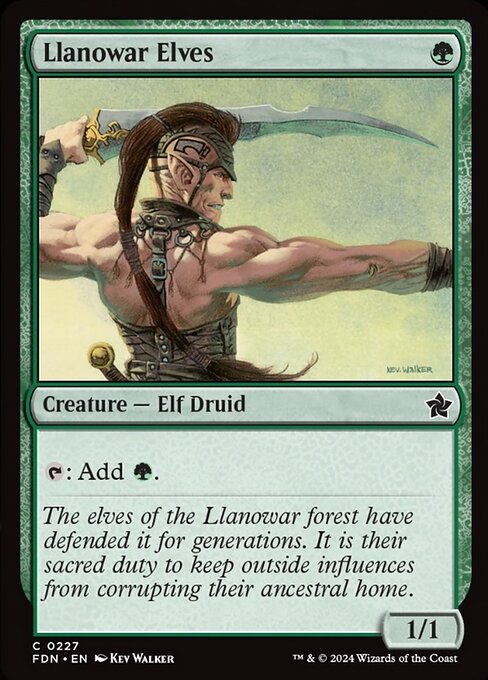
Llanowar Elves
Creature-based ramp
Mana dorks add a body to the battlefield along with the mana, which is great until a board wipe or a removal spell takes it out. They are strongest in low-curve green decks that want to deploy fast, and weaker in slower decks that will not use the mana right away. Newer options like Delighted Halfling add fixing and protection on top of the ramp, but they usually cost more than a classic dork, so weigh that against your budget.

Big Score
Treasure and one-shot rituals
Treasure and ritual effects can create explosive turns, but they are not always the same as permanent ramp. A repeatable Treasure engine, like a creature that makes one every turn, counts closer to real ramp, while a one-shot spell like this is closer to burst mana for a single big play.

Goblin Electromancer
Cost reducer
Cost reducers can act like ramp, but only if your deck casts enough spells they actually discount. Goblin Electromancer is excellent in a deck full of cheap instants and sorceries, and much weaker as a generic include in a deck that only has a handful of spells it touches.
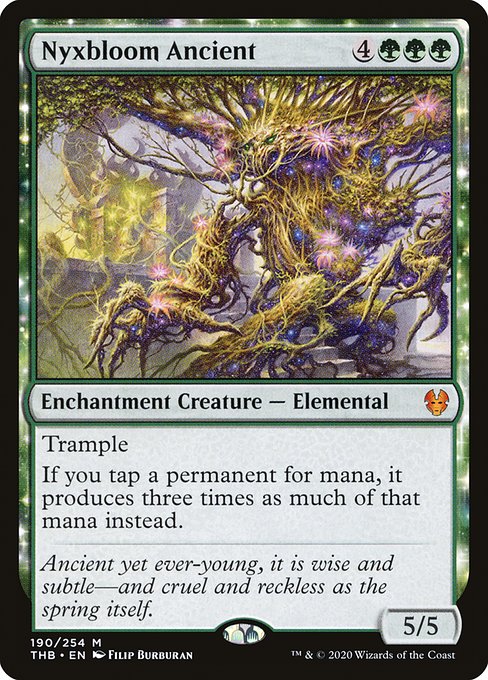
Nyxbloom Ancient
Mana doubler
Mana doublers like this, along with Mirari's Wake and Caged Sun, are powerful once they resolve, but they come down in the mid game rather than turn two. Treat them as a payoff for a ramp plan you already have, not as your first ramp pieces.
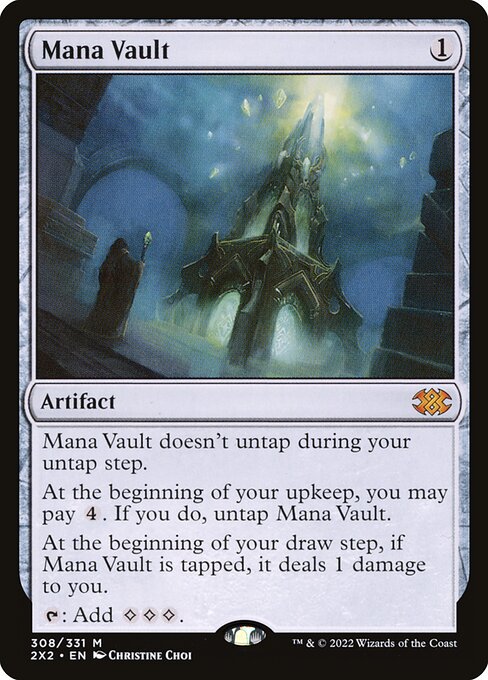
It is worth noting how differently these cards get played in practice. Sol Ring shows up in the vast majority of Commander decks, and Arcane Signet is not far behind, because both do the same simple job in almost any deck. Cultivate is played far less often by comparison since it only fits green decks, but it remains one of the most trusted land ramp spells in the format for the decks that can run it. Pricier fast mana like Mana Vault sits in a different tier entirely. It can put you three mana ahead as early as turn one, but it does not untap on its own, so you either pay to untap it, take repeated damage while it sits tapped, or plan around losing it for a turn. Its price has also climbed since some of its faster peers were banned outright. Treat cards like that as an upgrade you add once your cheap, reliable ramp is already in place, not as a replacement for it.
How many two-mana ramp pieces should you play?
Timing matters as much as the total count. A three-mana ramp spell that gets you to five mana is fine, but two-mana ramp is usually what actually lets a Commander deck pull ahead of the table. A rock or land ramp spell that lands on turn two puts you a full turn ahead by the time everyone else is casting their turn three play.
- Aim for 5 to 8 ramp pieces that cost two mana or less in a normal deck.
- Five-mana commanders want enough two-mana ramp to cast the commander on turn four.
- Six-plus-mana commanders want early ramp plus enough lands so the deck does not stumble waiting on it.
- Three-mana rocks are playable, but stacking too many of them slows the deck down.
- Four-plus-mana ramp works best as synergy ramp or a big-mana payoff, not as your core ramp package.
How to treat ramp by its own mana cost
| Ramp mana value | How to treat it | Examples | Notes |
|---|---|---|---|
| 0-1 mana | Fast ramp | Mana dorks, one-shot rituals | Power level and budget vary a lot at this slot |
| 2 mana | Best default ramp | Arcane Signet, the signets, Rampant Growth | The most important slot to fill first in a casual deck |
| 3 mana | Good but slower | Cultivate, Kodama's Reach, Worn Powerstone | Better suited to slower, higher-curve decks |
| 4+ mana | Payoff ramp | Skyshroud Claim, Smothering Tithe, mana doublers | Do not lean on this as your only ramp |
How much ramp should a precon upgrade have?
Precon decks usually already include some ramp, but not all of it is equally efficient. Most upgraded precons improve quickly just by swapping slow, clunky, or off-plan ramp for cleaner two-mana options, without changing anything else about the deck.
- Aim for around 10 to 12 solid ramp pieces once the upgrade is done.
- Check the land count before adding more ramp, do not just stack ramp on top of a thin manabase.
- Replace weak three-mana rocks with Arcane Signet, Fellwar Stone, a signet, or a talisman when one is available.
- In green precons, add land ramp like Rampant Growth, Farseek, Sakura-Tribe Elder, Cultivate, or Kodama's Reach.
- In non-green precons, prioritize rocks that enter untapped or that fix more than one color.
- Keep any synergy ramp, like a cost reducer or a Treasure engine, if it actually supports the precon's game plan.
Common mistakes
- Running only expensive, splashy ramp and skipping the cheap two-mana pieces that actually matter early.
- Copying a ramp count from a totally different deck instead of checking your own curve and commander cost.
- Cutting lands instead of adding ramp when a deck feels slow, which usually makes consistency worse.
- Treating cost reducers or one-shot treasure as full replacements for permanent ramp.
- Loading up on off-color ramp ideas that do not actually fit the commander's color identity.
- Ignoring how many of those ramp pieces are actually cheap enough to matter before turn four.
- Playing mana dorks with little protection in a meta full of board wipes and edict effects.
- Adding a mana doubler before the deck has enough early ramp to make one worth casting.
- Ramping into extra mana without enough card draw to spend it on, then flooding out anyway.
- Leaving slow precon ramp in place when a cheaper, faster card does the same job better.
Final ramp checklist
- Start at 10 to 12 ramp pieces as your baseline.
- Add 1 to 4 more if your commander costs 5 or more mana.
- Add 1 to 3 more if your average mana value is on the high side.
- Subtract 1 to 2 if your curve sits under 2.8 average mana value.
- Prioritize ramp that costs 2 mana whenever your curve allows it.
- Fix missed land drops with more lands first, not more ramp.
- Save the expensive, table-dependent engines for after your basics are covered.
- Recheck your numbers whenever you swap in a new commander or shift the curve.
Check your deck's real ramp count before you buy more
Import your list into Deckcipher to see your actual land count, ramp count, and curve side by side, then decide what to add or cut.
FAQ
How much ramp should a Commander deck play?
Most Commander decks should start with about 10 to 12 ramp pieces. Adjust up for a costly commander, a high curve, or a battlecruiser game plan, and adjust down for a low curve or a cheap, fast commander.
Is 10 ramp enough in Commander?
Ten ramp pieces is usually enough for a normal casual Commander deck with a reasonable curve and around 36 to 38 lands. If your commander costs five or more mana, or your deck is full of expensive spells, you may want a couple more.
How many lands and ramp should a Commander deck run?
A common starting point is 36 to 38 lands and 10 to 12 ramp pieces, which puts most decks around 46 to 50 total mana sources. Adjust from there based on curve, colors, commander cost, and how much card draw the deck has.
Do mana rocks count as ramp?
Yes. Mana rocks like Arcane Signet, Fellwar Stone, Mind Stone, the signets, and the talismans all count as ramp because they produce mana beyond your normal land drop, and they keep doing it every turn after.
Does Treasure count as ramp in Commander?
It can, but it is often temporary. A repeatable Treasure source, like a creature that makes one every turn, counts closer to real ramp. A one-shot Treasure spell is closer to burst mana for a single big turn than a permanent ramp piece.
Do cost reducers count as ramp?
Cost reducers can act like ramp if your deck casts enough spells they actually discount. A card like Goblin Electromancer is excellent in a spellslinger deck, but it should not be counted as generic ramp in a deck with only a handful of instants and sorceries.
Should green decks play more land ramp than mana rocks?
Often, yes. Green decks get reliable access to land ramp, which fixes colors and is harder to remove than an artifact. Most green Commander decks still run a few strong mana rocks too, but land ramp is usually the core of the package.
Can I cut lands if I add more ramp?
Only carefully. Most ramp spells need mana up front, so cutting too many lands can make a deck stumble before the ramp even matters. If you are missing land drops, add lands or lower your curve before adding more ramp.
How much ramp should a five-mana commander play?
Most five-mana commanders want around 11 to 13 ramp pieces, with enough two-mana ramp in the mix to help cast the commander ahead of curve on turn four.
How much ramp should a precon upgrade have?
Most upgraded precons should aim for about 10 to 12 efficient ramp pieces. It is usually better to replace slow or off-plan ramp first, rather than simply piling more ramp cards on top of what is already there.
Conclusion
There is no single correct ramp count for every Commander deck, but there is a reliable starting point. Begin around 10 to 12 ramp pieces, then adjust for your commander's cost, your curve, your colors, and how your deck actually wants to win. A battlecruiser deck and a low-curve aggro deck should not run the same numbers, and neither should copy a ratio built for a totally different strategy. Get the ramp count right and the rest of the deck, from your curve to your win conditions, starts to function the way it was designed to.