
The best cEDH budget decks are linear, legal, and upgrade cleanly
The most practical cedh budget decks are not random cheap Commander piles. They are budget versions of proven legal archetypes you can compare against cEDH Decklist Database entries and current Moxfield primers such as Yuriko Tempo, Magda Clock, Kinnan Basalt, and Godo Helm shells. Start with Yuriko, the Tiger's Shadow, Magda, Brazen Outlaw, Kinnan, Bonder Prodigy, or Godo, Bandit Warlord: each has a compact plan, a playable budget core, and current legal upgrade paths. Build from a role skeleton first, then choose the cheapest legal cards that perform those jobs.
Budget cEDH benchmarks
What makes a cEDH deck budget-friendly?
A budget cEDH deck still has to respect competitive Commander: early wins, stack interaction, compact combos, and mulligans that produce action before turn three. The budget test is whether the commander and core engine still work without original dual lands, Mox Diamond, premium free counters, and the most expensive tutors. Legality matters too: cards banned in Commander are not upgrade targets for sanctioned or rules-correct cEDH, even if a casual proxy pod experiments with them.
Use the cEDH Decklist Database and strong Moxfield lists as role models, not automatic shopping lists. Compare against known archetypes: Yuriko Tempo/Consultation shells, Magda Clock lists, Kinnan Basalt lists, and Godo Helm primers. Your cheaper build should preserve role counts: lands, accelerants, interaction, tutors, engines, and win pieces. If you cut a premium card, write down the job it performed before choosing a replacement.
The worst budget traps are four- and five-color midrange piles with tapped lands and slow tutors. They may look powerful card-for-card, but cEDH punishes hands that cannot cast interaction, develop mana, and threaten a win on schedule.
Best commanders for cEDH budget decks
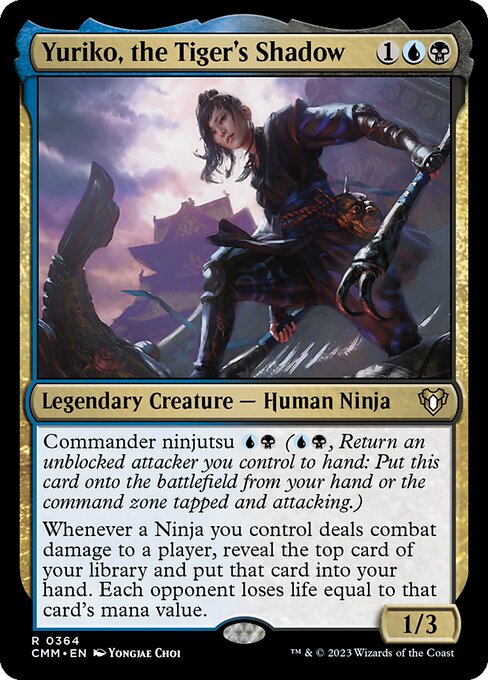
Yuriko, the Tiger's Shadow
Budget tempo and card advantage commander
Skeleton: 30 lands, 15-17 evasive creatures, 11-13 interaction, 8-10 topdeck/reveal cards, 5-7 tutors, 4-6 flex draw slots.
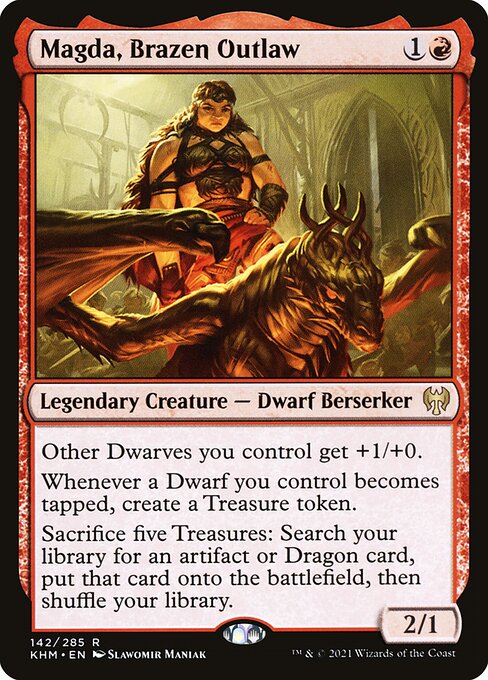
Magda, Brazen Outlaw
Mono-red artifact combo commander
Skeleton: 28-30 lands, 16-20 Dwarves/changelings, 9-12 tap outlets, 9-12 artifacts/payoffs, 8-10 interaction, 6-8 flex slots.
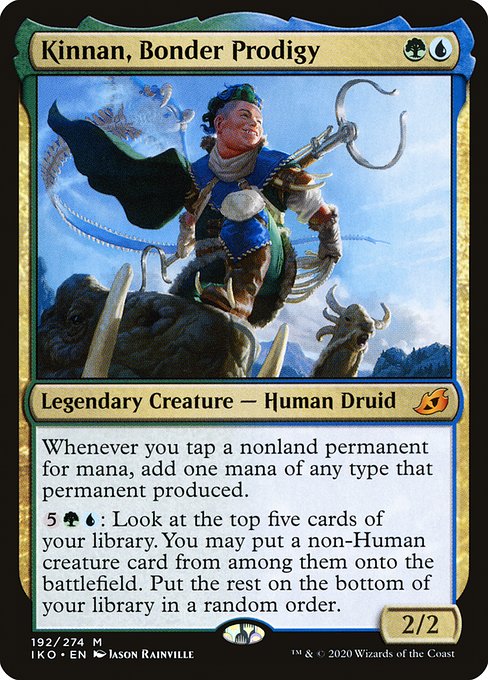
Kinnan, Bonder Prodigy
Simic mana engine commander
Skeleton: 29-31 lands, 20-24 accelerants, 8-10 interaction, 5-7 tutors, Basalt combo, 5-8 outlets or large creature hits.
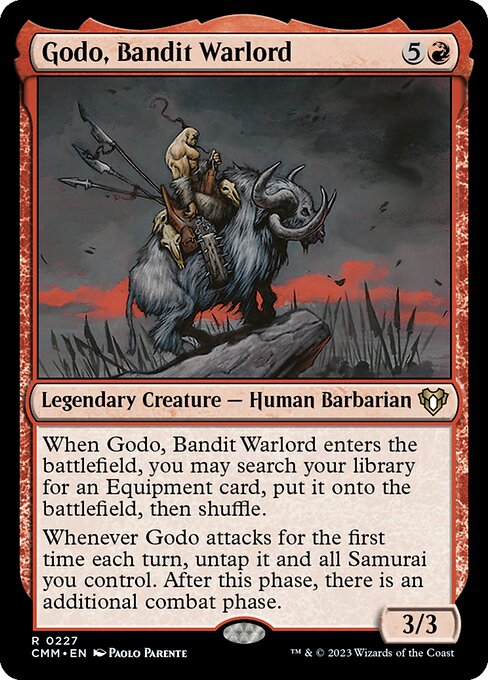
Godo, Bandit Warlord
Mono-red Helm combo commander
Skeleton: 28-30 lands, 25-30 ramp/rituals, 8-10 protection/removal, Helm package, 8-12 card selection or redundancy slots.
Most accessible competitive budget pick: Yuriko tempo
Yuriko, the Tiger's Shadow is accessible because the commander supplies pressure and cards. A budget core starts with evasive enablers such as Changeling Outcast, Ornithopter, Faerie Seer, Spectral Sailor, and Network Disruptor. Add topdeck tools like Brainstorm, Ponder, Preordain, and Mystic Sanctuary. A practical 100-card starting map is commander plus 30 lands, 16 enablers, 12 cheap interaction pieces, 9 high-impact reveal/topdeck cards, 6 tutors, 8 draw/filter spells, and the remaining slots split between removal, graveyard hate, and additional ninjas.
Yuriko wins by repeated ninjutsu triggers revealing high mana value cards such as Temporal Trespass, Treasure Cruise, and Dig Through Time while holding Spell Pierce, Miscast, Drown in the Loch, and Snuff Out. The deterministic upgrade is Thassa's Oracle plus Demonic Consultation: cast Oracle, let its triggered ability go on the stack, then cast Consultation naming a card not in your library so the library is exiled before the Oracle trigger resolves. With an empty library, Oracle wins even if your devotion is zero. The line loses to counterspells on Oracle or Consultation, stifle effects on the triggered ability, and replacement or hate effects that stop the library-exile plan.
Magda mono-red combo: cheap mana base, real artifact lines
Magda, Brazen Outlaw is strong on a budget because every Mountain is legal and functional. Do not put off-color cards in the deck. The shell wants red or colorless Dwarves and changelings such as Dwarven Trader, Universal Automaton, Vault Robber, plus tap outlets like Springleaf Drum, Smuggler's Copter, and cheap vehicles so Magda makes Treasure without needing combat. Start with commander plus 29 lands, 18 Dwarves or changelings, 10 tap outlets, 10 artifact engines/payoffs, 9 removal or protection spells, and 23 flex slots for rituals, tutors, stax, and redundancy.
A clean Magda line needs Magda, five Treasures, Clock of Omens, and enough untapped artifacts to keep Clock active. Clock untaps artifacts, not ordinary creatures, so your loop needs artifact Dwarves or changelings, Treasures, vehicles, token makers, or a card like Maskwood Nexus that supports the artifact-token plan. Sacrifice five Treasures to tutor Clock, tap two untapped artifacts to untap a Treasure-making artifact or artifact creature, make more Treasures through Magda triggers, and chain Magda activations. Common budget finishers are The One Ring value if owned, Portal to Phyrexia, or a named damage package that converts infinite Treasure into Walking Ballista. Disruption points are Magda removal, artifact removal on Clock, and stax that stops activated abilities.
Budget-relevant cEDH support cards

Arcane Signet
Baseline fixing rock
Playable in Yuriko and Kinnan budget lists when color fixing matters. It is not a true fast-mana substitute.

Talisman of Dominance
Dimir fixing for Yuriko lists
Legal in Yuriko, not Magda. Enters untapped and helps cast early interaction.
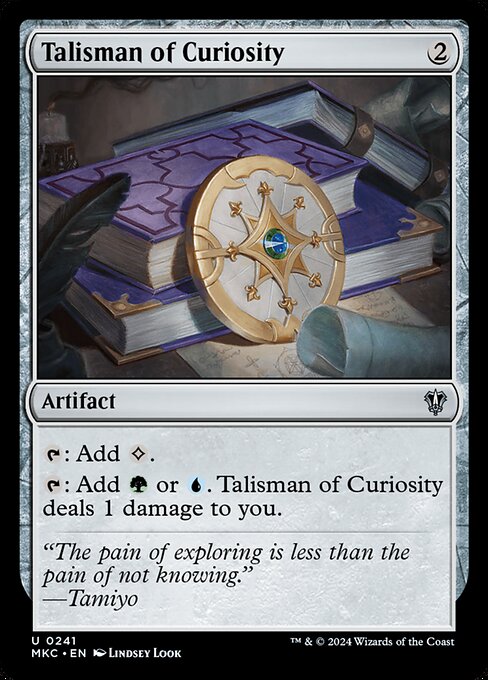
Talisman of Curiosity
Simic fixing for Kinnan lists
Legal in Kinnan, not Magda. Kinnan turns it into an especially strong nonland mana source.

Fellwar Stone
Affordable multiplayer mana rock
Fine in multicolor shells; weaker in mono-red Godo or Magda than one-shot rituals and commander-specific artifact synergies.
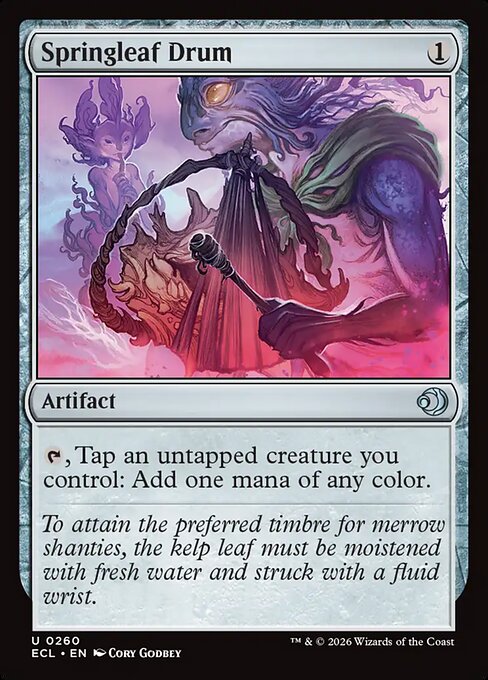
Springleaf Drum
Creature-based acceleration
Excellent in Magda and playable in Yuriko because it turns early bodies into mana; poor in creature-light hands.

Lightning Bolt
Cheap creature interaction
A real budget red tool for killing early commanders, hatebears, and Drannith Magistrate before your combo turn.
Kinnan and Godo: explosive, but different budget risks
Kinnan, Bonder Prodigy wants density: Llanowar Elves, Elvish Mystic, Birds of Paradise, Talisman of Curiosity, and Basalt Monolith. With Kinnan, Basalt Monolith taps for four and can untap itself for three, creating infinite colorless mana. Kinnan's activated ability can then dig for non-Human creature outlets and value pieces; Thrasios, Triton Hero in the 99, activated abilities on large creature hits, or a Walking Ballista cast from hand can convert that mana into a win. Do not rely on Kinnan putting Ballista directly onto the battlefield as your outlet, because it enters with zero counters that way. A practical budget skeleton is 30 lands, 22 accelerants, 9 interaction spells, 6 tutors, Basalt plus outlet package, 5-7 high-impact creature hits, and the rest as draw, stax, or protection. The budget weakness is fewer premium blue free counters.
Godo, Bandit Warlord is simpler: reach eleven total mana, cast Godo for six, tutor Helm of the Host, pay five to equip, attack, make a nonlegendary Godo token, untap, and repeat combat until the table dies. Budget ramp includes Seething Song, Desperate Ritual, Pyretic Ritual, Worn Powerstone, and Generator Servant. Start around 29 lands, 27 ramp or ritual effects, Helm as the mandatory win piece, 9 protection/removal spells, 10 card selection or wheel effects if your budget allows them, and the remaining slots as stax, utility artifacts, and redundancy. It folds most often to counterspells on Godo, removal before combat, or artifact removal on Helm.
Choose Yuriko for the most interactive budget experience, Magda for mono-red artifact tutoring, Kinnan for explosive mana math, and Godo for the clearest one-line combo deck. These are budget-accessible picks, not a claim that every budget version is a top-tier metagame deck.
Where to spend first: commander-specific upgrade ladders
Budget upgrades should change your first three turns. Yuriko should buy untapped Dimir lands, Demonic Consultation, Thassa's Oracle, then Force of Will and Fierce Guardianship. Magda should buy stronger artifact engines, Chrome Mox, Mana Vault, Deflecting Swat, then premium red utility.
Kinnan upgrades should prioritize one-mana dorks, Basalt Monolith, Training Grounds, then blue protection. Godo should buy legal fast mana and rituals first: Mana Vault, Grim Monolith, Ancient Tomb, then protection for the Helm turn. Use the Deck Price Calculator before buying narrow finishers.
Budget cEDH shell comparison
| Deck shell | Budget range | Goldfish speed | Interaction level | Biggest budget weakness |
|---|---|---|---|---|
| Yuriko, the Tiger's Shadow | $200 to $600 | Often threatens pressure by turns 3-5; Oracle builds can be faster | High for budget; target 11-13 cheap stack/removal pieces | Premium tutors, fetches, and free counters |
| Magda, Brazen Outlaw | $150 to $500 | Usually tests as turn 3-5 with an uninterrupted Treasure engine | Medium; target 8-10 removal/protection/stax pieces | Commander removal and artifact hate |
| Kinnan, Bonder Prodigy | $300 to $800 | Often turn 3-5 with Basalt or mana burst | Medium-high; target 8-10 counters/removal pieces | Premium blue interaction and best tutors |
| Godo, Bandit Warlord | $250 to $900 | Highly list-dependent; budget versions commonly test turn 4+ | Low-medium; target 8-10 protection/removal pieces | Very reliant on legal fast mana and the Helm turn |
Premium staples versus realistic replacements
Budget replacements are not equal swaps. Chrome Mox gives zero-mana acceleration at a card cost; Arcane Signet gives two-mana fixing. That role mismatch matters. Godo wants burst mana more than fixing, Magda wants artifacts and tap synergies, Kinnan wants nonland sources that produce extra under Kinnan, and Yuriko often wants one-mana interaction more than another rock.
Common budget swap: legal fast artifact mana
Zero-mana and one-mana acceleration cannot be replaced cleanly. Use substitutes only when they fit the commander-specific role, and expect some wins to move back by a full turn.
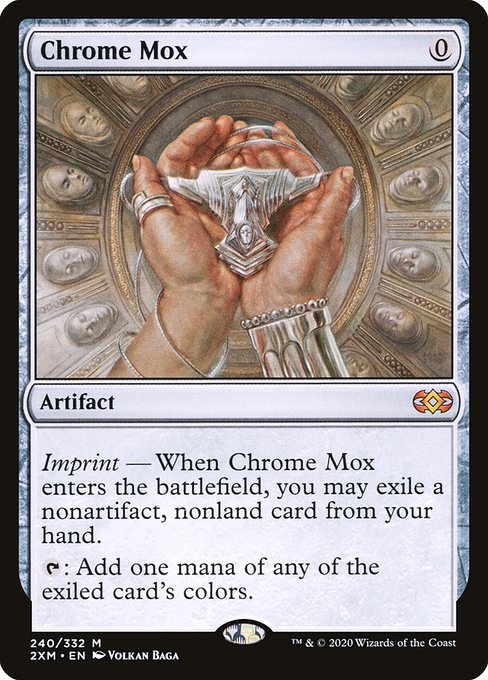
Chrome Mox
Premium legal fast mana
Explosive zero-mana acceleration with a real card-disadvantage cost. Best in shells that can spare a colored card and need a faster commander or protected combo turn.
Arcane Signet
Budget fixing
Good in Yuriko and Kinnan when colors matter. Poor as a direct Godo speed replacement because it costs mana before it helps.
Fellwar Stone
Budget multiplayer rock
Usually produces colors in competitive pods, but it is still two-mana acceleration and not reliable in mono-red colorless-heavy hands.
Springleaf Drum
Low-cost synergy ramp
Best in Magda and Yuriko because cheap creatures are already part of the plan. Do not jam it into creature-light combo shells.
The first ten legal upgrades I would price are usually: the best untapped lands for your colors, Mana Vault, Chrome Mox, Force of Will for blue decks, Fierce Guardianship, Deflecting Swat for red, Demonic Tutor for black, fetchlands, the commander-specific combo piece you are missing, and finally premium utility lands such as Ancient Tomb where they fit.
How to test a budget cEDH deck before buying
Goldfishing catches bad budget construction quickly. Run opening hands in the cEDH Goldfish Simulator and track twenty hands, not one lucky draw. Record keepable sevens, commander-on-schedule hands, hands with interaction before turn three, and actual win-turn attempts. The speed ranges above assume that method, not tournament data: they are planning benchmarks for budget lists.
After goldfishing, compare your list to a current Database or Moxfield archetype list by role count. You do not need every expensive card, but you should be close on categories. If the optimized Kinnan list has 22 accelerants and yours has 10, you did not build a budget version; you built a slower deck. If the optimized Yuriko list has 15 one-mana enablers and yours has 7, you should fix that before buying splashy reveal cards.
Build the budget version, then price upgrades
Import your list, find the expensive cards, and compare cheaper alternatives before committing to a cEDH build path.
Recommended starting point
For a first cedh budget deck, start with Yuriko if you want interaction and flexible games. Start with Magda if you want the cheapest mana base and a commander that tutors artifacts. Choose Kinnan if you enjoy explosive mana and plan to buy better blue interaction over time. Choose Godo if you want the cleanest possible combo lesson: mulligan, ramp, protect the Helm turn, win.
The goal is not to own the cheapest possible 100 cards. It is to choose a commander whose budget version still teaches real cEDH habits: mulligans, sequencing, threat assessment, stack discipline, and knowing when to commit to a win.
FAQ
Are proxies expected for cEDH budget decks?
Many cEDH groups allow proxies of legal cards because optimized lists often require expensive staples like Mox Diamond, Force of Will, and dual lands. Ask your pod first. Proxies do not make banned cards legal.
What budget level is realistic for real cEDH practice?
$150 to $250 can teach mulligans and core lines. $300 to $500 is a stronger budget range for local games. $700+ can approach optimized play patterns, but the last upgrades are often disproportionately expensive.
Which expensive staples are hardest to avoid?
Free interaction, legal fast mana, and premium lands are the hardest to replace. Blue decks miss Force of Will and Fierce Guardianship; red decks miss legal burst mana and protection. Pick commanders that still function without the premium version.
Which decks survive best without LED, Mox Diamond, or dual lands?
Yuriko and Magda are the safest. Yuriko can win through combat triggers and cheap interaction, while Magda's mono-red mana base avoids dual-land pressure. Godo can play without duals but misses fast mana; Kinnan can skip duals but really wants strong interaction over time.
Should I copy a cEDH Decklist Database list card for card?
Use Database and Moxfield lists as role maps. Copy the categories and win lines first, then choose budget cards that preserve those jobs. If you cut a premium card, replace its function, not just its mana value.